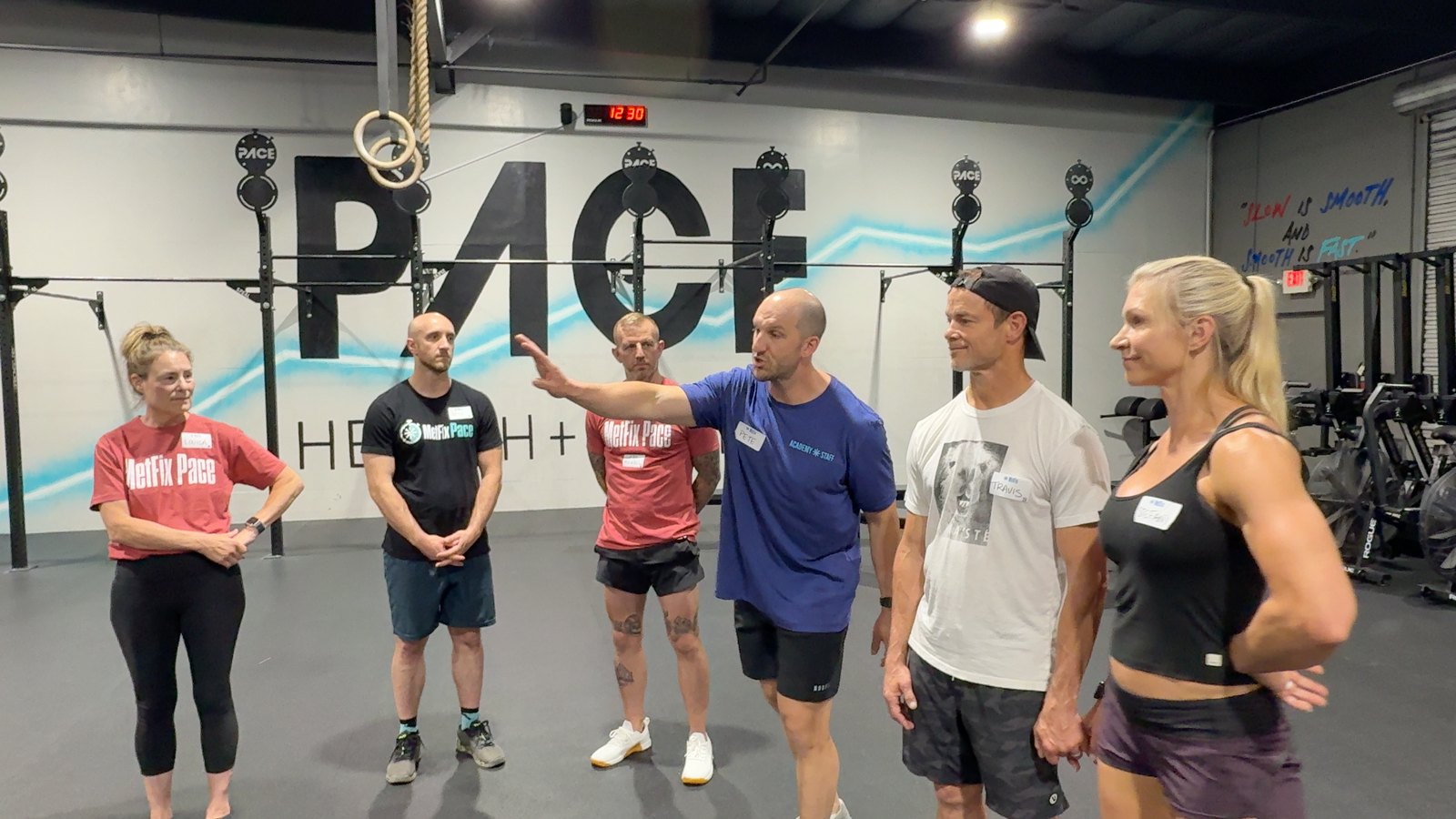
Driving home from the MetFix Foundations course in Sacramento, I found myself thinking about how familiar the conversations had become.
Over the course of the weekend I heard discussions about cholesterol, blood sugar, blood pressure, body composition, nutrition, exercise, and chronic disease. Different coaches approached the problems from different directions, but the underlying concerns felt remarkably similar.
The drive home gave me time to think about why.
Years ago Robert Kaplan described this clustering of hypertension, glucose intolerance, upper body obesity, and dyslipidemia as the Deadly Quartet. More importantly, he argued that hyperinsulinemia sat underneath the pattern. These were not separate problems appearing at random. They were connected.
Long before I understood Kaplan’s work, I was seeing the same pattern walk through the gym door.
Athletes would come into the gym wanting to lose weight, improve performance, or simply feel better. Somewhere along the way the conversation would shift. Cholesterol was elevated. Blood pressure was rising. Waist circumference was increasing. Blood sugar was moving in the wrong direction. Sometimes it was one marker. Often it was several.
At the same time, one of the ideas that originally attracted me to CrossFit was Glassman’s insistence that fitness could be defined and measured. Nutrition sat at the foundation of the model, but the real breakthrough was that fitness became operational. Work capacity could be observed, measured, and improved.
When I began thinking seriously about metabolic health, it seemed that something similar was missing. We had biomarkers, diagnoses, medications, and increasingly sophisticated science, but we lacked a practical coaching framework. We had no common language and no simple way to organize what we were seeing.
That realization eventually led to the Radar.
The markers were not selected because they were novel. They were selected because they kept appearing. They represented the same issues Kaplan described decades ago and the same concerns that continue to walk through the gym door.
Walking through Sacramento, I found myself hearing those conversations again. Coaches across the country are seeing elevated blood sugar, rising blood pressure, abnormal lipids, increasing body fat, and the downstream consequences that follow. The chronic disease epidemic is no longer happening somewhere else. It is already in our gyms.
The weekend reinforced something I have come to believe. The opportunity is not simply more information. The opportunity is better language, better measurement, and a framework that helps coaches understand what they are seeing and where they can intervene.
I left Sacramento encouraged. The problems are real. The need is real. More coaches are beginning to recognize it, and that makes me excited to continue the work.
Back to work.
Hollis