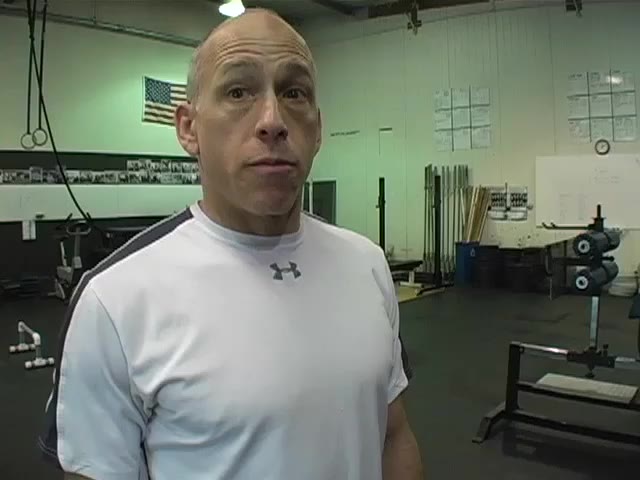
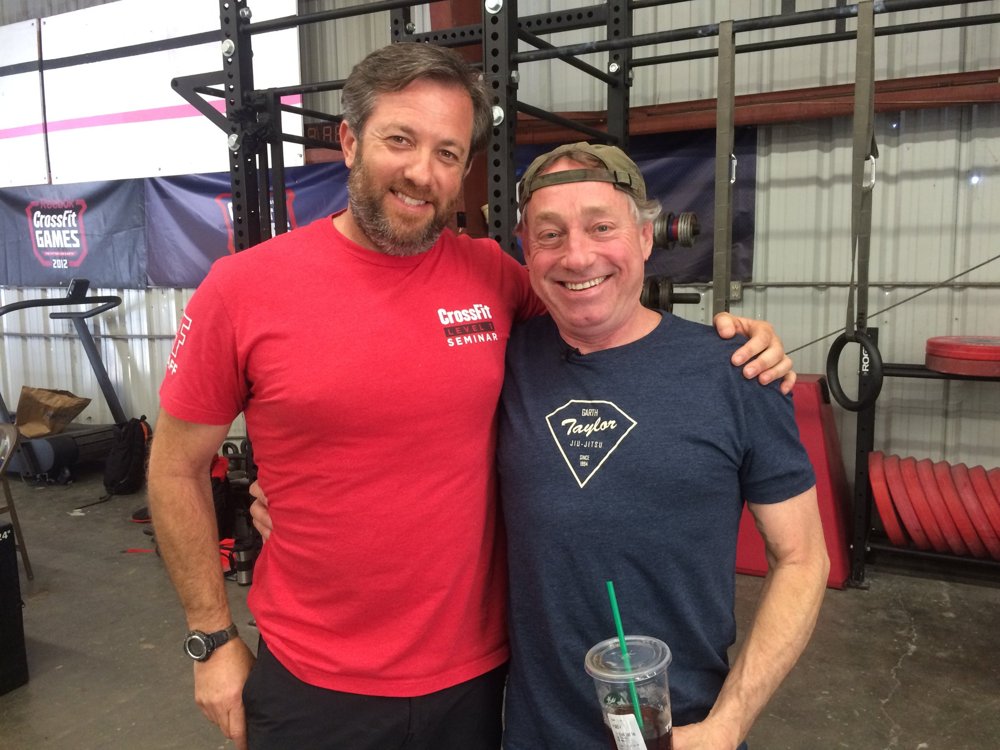
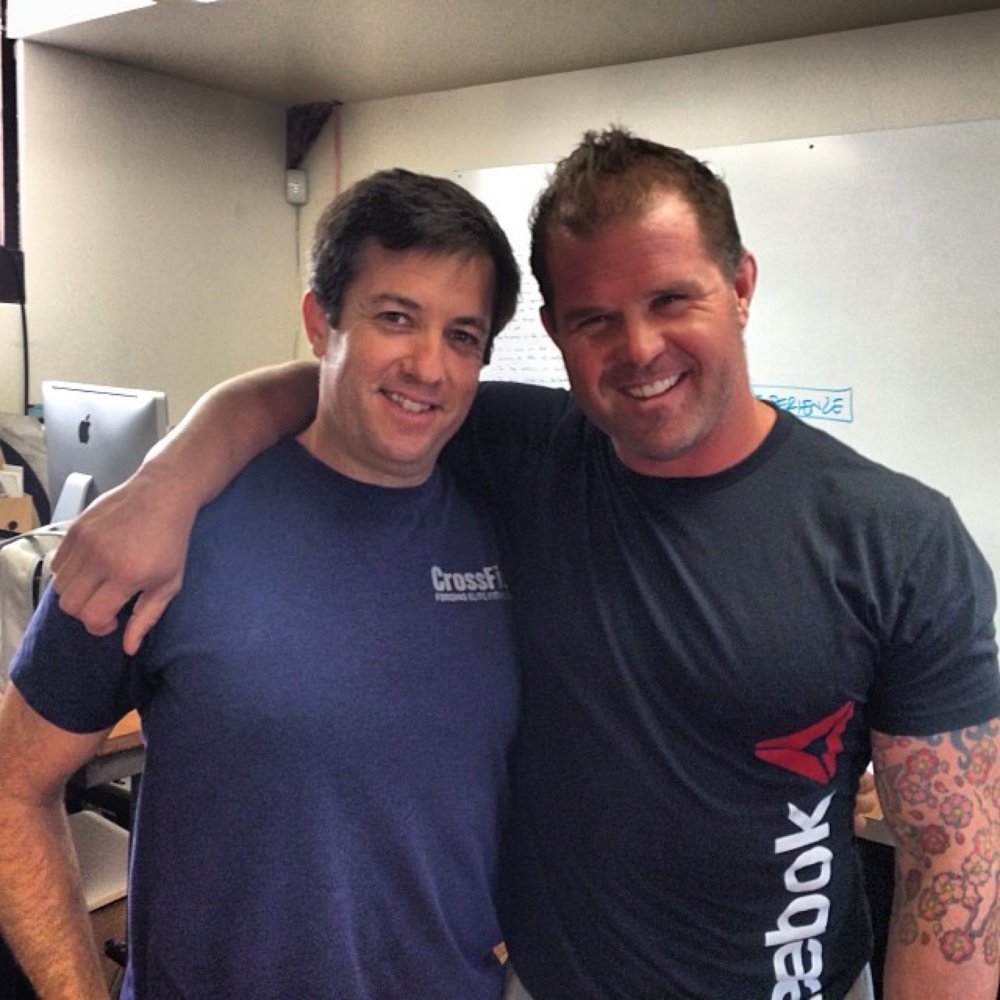
Hollis Molloy learned to define his terms, observe closely, measure what changed, and test again. For twenty years, he has refined that approach through coaching movement and performance at CrossFit Santa Cruz, with health as the aim. Now, with Metabolic Radar, he is bringing bloodwork, body composition, and vital signs into what he observes and measures.
Before the gym
In the 1980s, Molloy was an alpine ski racer in Telluride, Colorado. The events demanded different skills, but each came down to a time. In the 1990s, he carried that interest in movement and precision into golf while earning his bachelor's degree in psychology at Humboldt State University in Northern California. He graduated in 1997.
The original gym
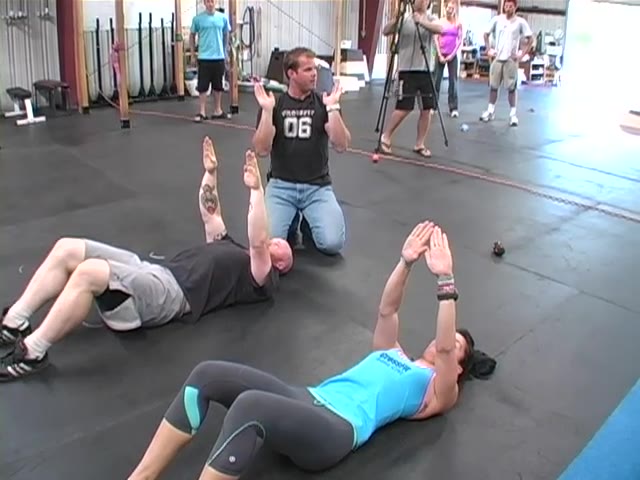
In 2005, he began training at CrossFit Santa Cruz, a small gym on Research Park Drive and the only one of its kind.25 Within months, he attended a CrossFit certification as an athlete.7
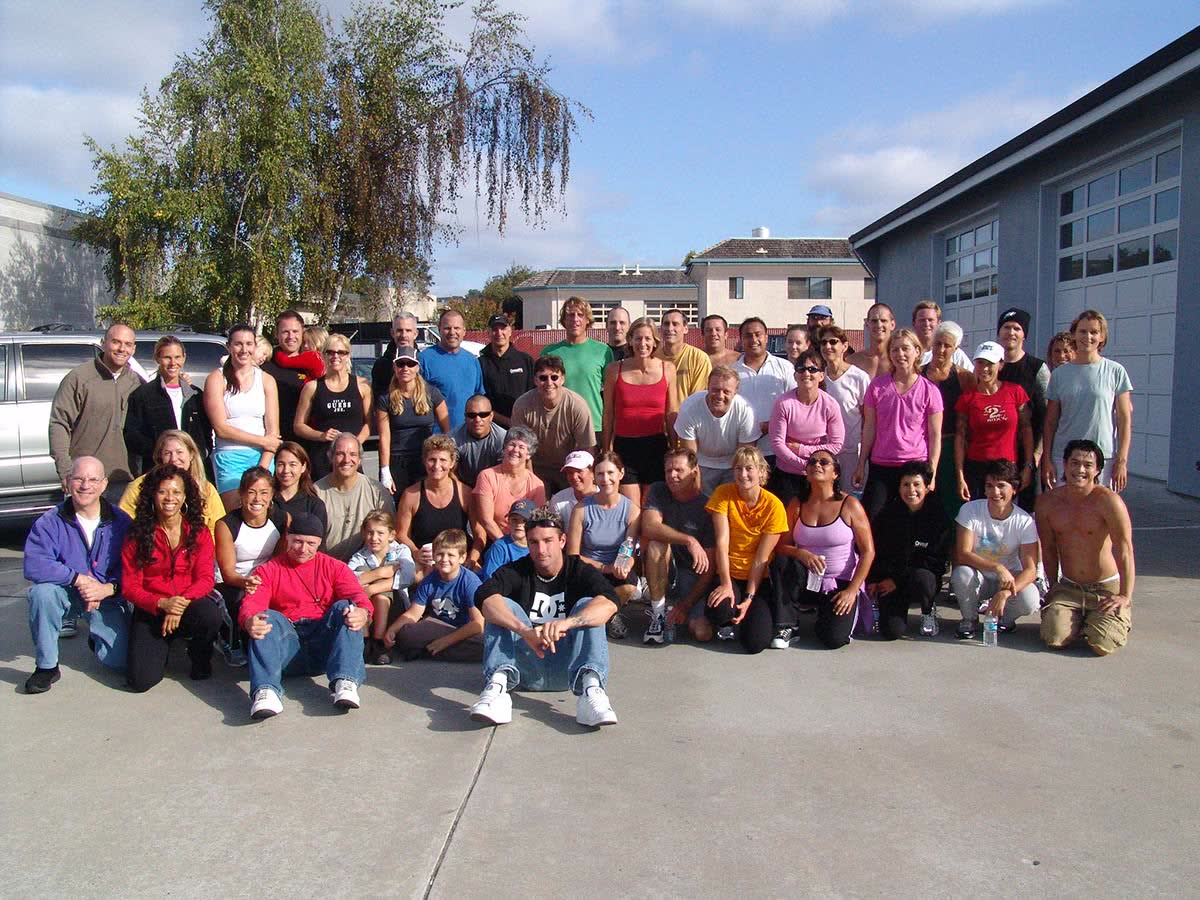
The CrossFit Journal later described how he started coaching. He had been training with Greg Glassman and the original HQ crew, and when he wanted to start training others, he was given keys to the gym. To drum up business, he offered to train five friends free for a month. All five became clients. When a group coaching slot opened at HQ, he took it.25
He began coaching there in 2006.24 In 2008, ownership of the gym passed to him and his sister, Danielle Edmundson, both members of the original gym.3 They bought it that November. He co-owns it today with Laurie Galassi and still coaches its classes.124
Staying matters to the rest of this story. Whatever he taught other coaches, he kept trying out on the people in his own classes.
Learning to coach
Molloy credits three coaches with shaping how he works. What follows is his account of what he took from each.
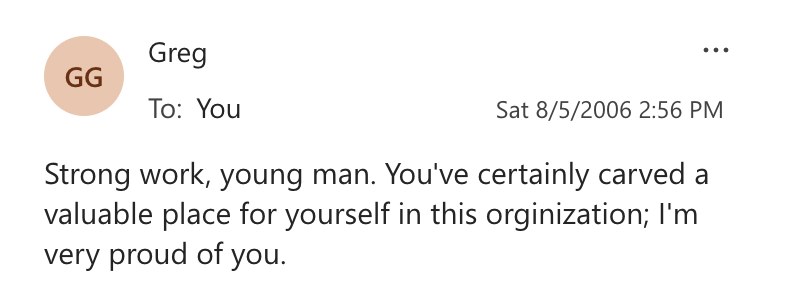
From Greg Glassman, who founded CrossFit and opened the Santa Cruz gym, he says he learned to define terms before arguing about them, then find a way to test them. Glassman's 2002 essay "What Is Fitness?" set out a definition of fitness.23 In 2014 the CrossFit Journal reported that Molloy "learned from Glassman it is his responsibility to help these people to change their lives."26 In August 2006, Glassman wrote to him:
"Strong work, young man. You've certainly carved a valuable place for yourself in this orginization; I'm very proud of you."Greg Glassman, email to Molloy, August 5, 200621 · See the email
From Coach Mike Burgener, he says, he learned that knowing a lift and teaching it are different skills, and that a coach is responsible for the position the athlete ends up in. Burgener later described Molloy's coaching in one sentence: "As a coach, Hollis accepts nothing less than solid technique from his athletes."15
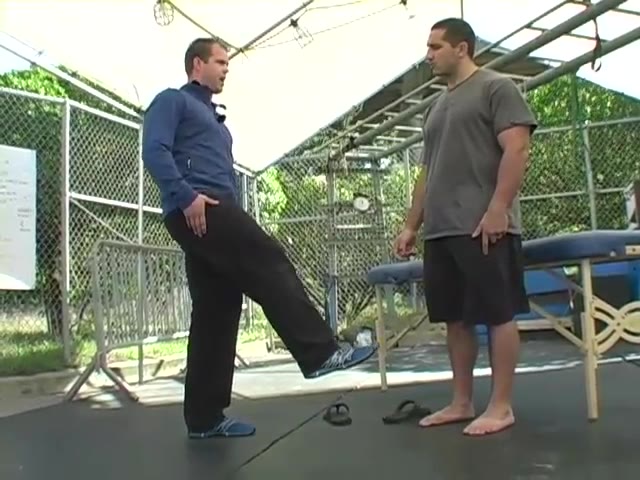
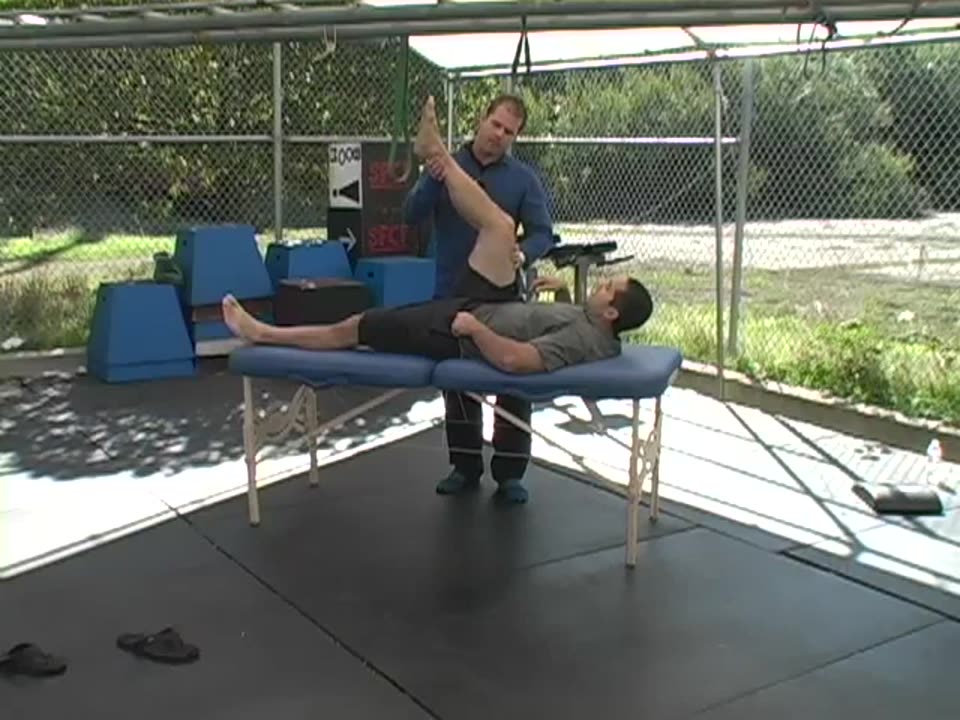
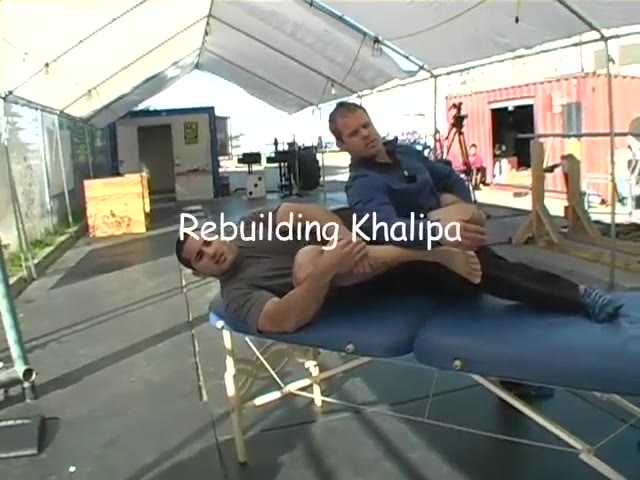
From Kelly Starrett, he says, he learned to observe systematically. Test the athlete, make one change, test again, and ask whether the movement got better, worse, or stayed the same. A cue that sounds right is not proof that it worked. Molloy filmed and edited Starrett's 2010 CrossFit Journal series "Rebuilding Khalipa" and, in the comments, described its purpose as helping coaches "assess human movement."16 Starrett said of Molloy:
"There are few coaches that are able to effectively blend technical ability, passion, and the capacity to understand and address an athlete's weaknesses as well as Coach Hollis."Kelly Starrett, testimonial for Molloy's website, later repeated on The Ready State Podcast page4
Teaching the teachers
His first seminar as a trainer was the February 2007 certification in Union City, California. Afterward, Nicole Carroll emailed him:
"You were the BEST demo guy today. Thank you so much. You moved beautifully and worked so hard."Nicole Carroll, email to Molloy, February 12, 200722 · See the email
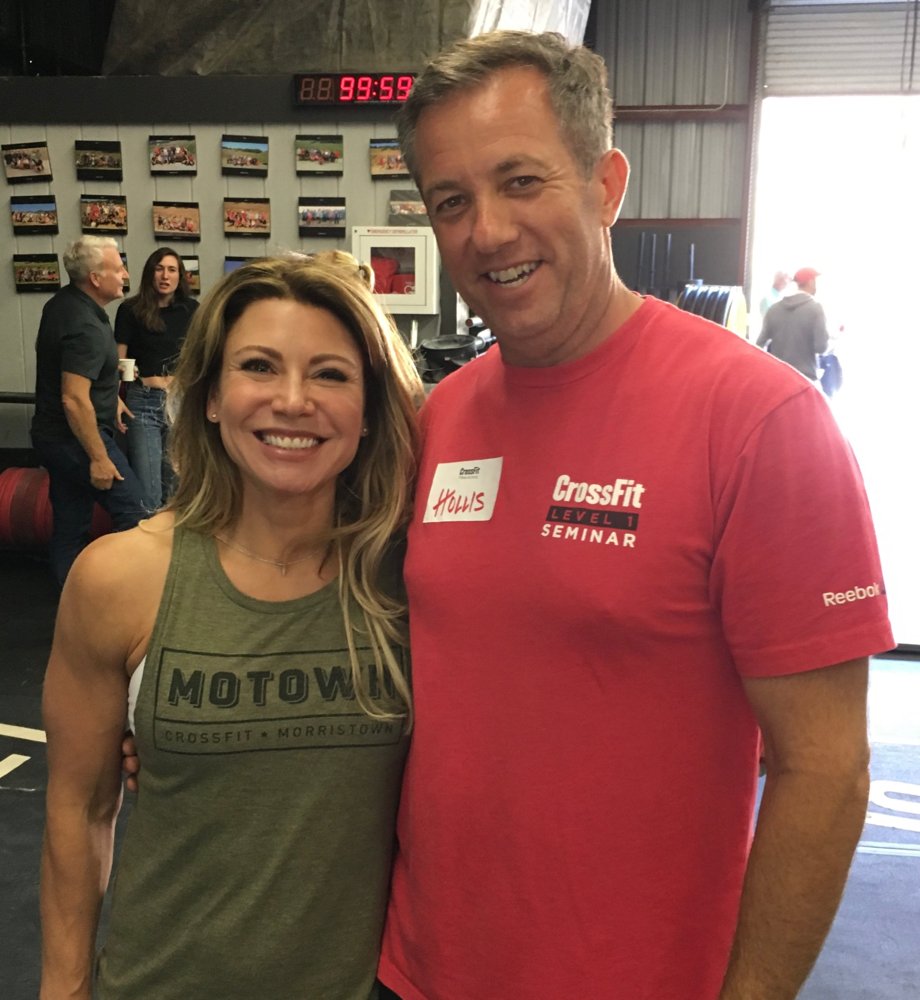
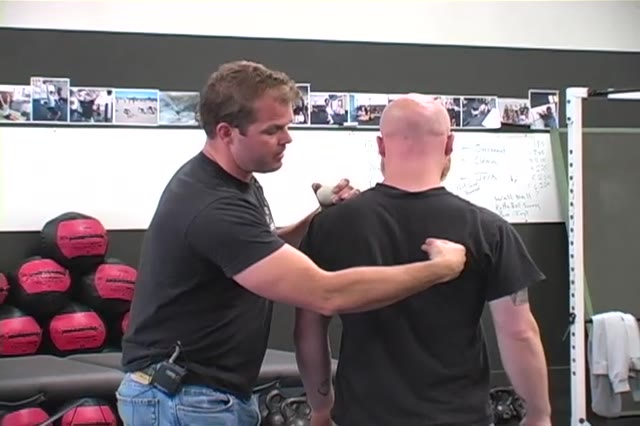
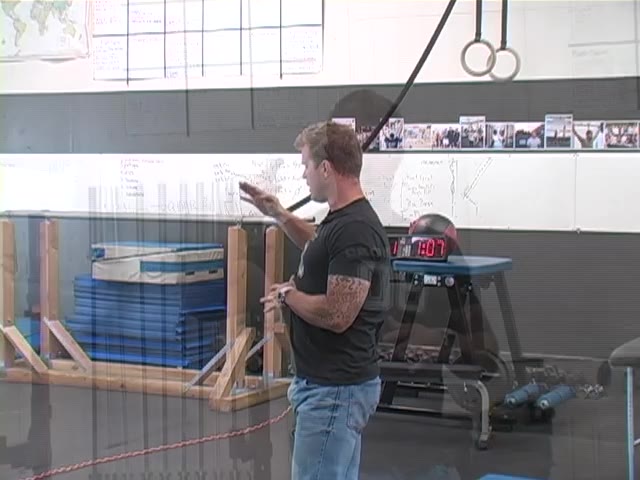
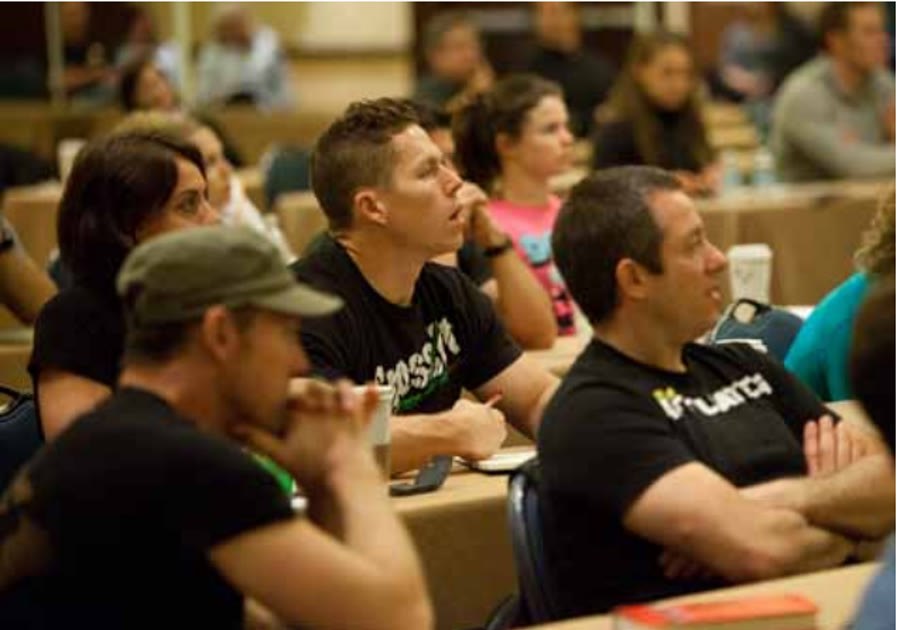
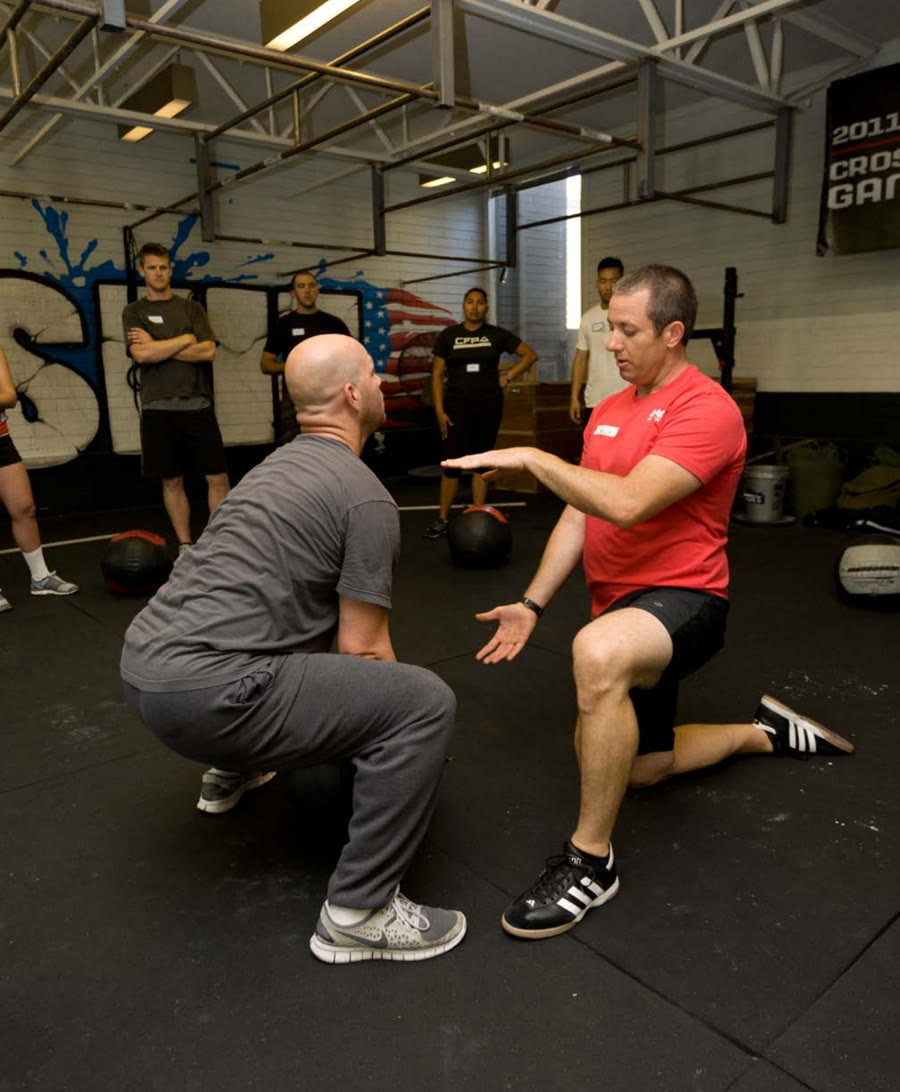
He stayed on Seminar Staff until 2025,24 teaching the Level 1 and Level 2 courses around the world.4 His gym biography puts the total at more than 200 seminars.24
Seminar teaching brings information and performance together. For eighteen years, Molloy helped trainers learn to see movement, then use what they saw to teach the athlete in front of them.
In 2014 he earned the CF-L4, CrossFit's highest coaching credential.2
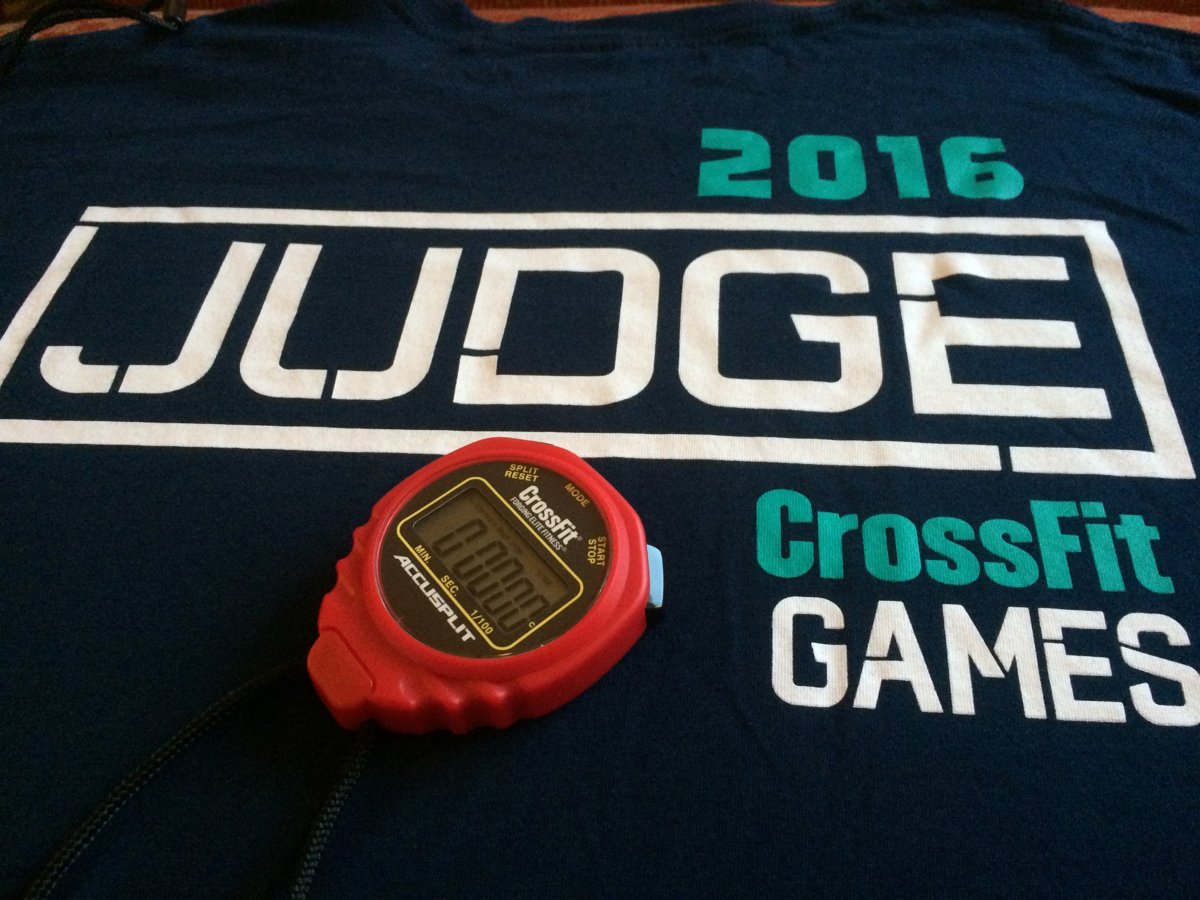
Alongside the teaching, he helped document CrossFit's early years. He filmed specialty seminars, Coach Burgener, Kelly Starrett, Brian MacKenzie, and the 2008 and 2009 CrossFit Games.15 The CrossFit Journal credits him as videographer on Laurie Galassi's gymnastics series.1718 Starrett's 2010 "Two-Minute Drills" series for the Journal was also made with athletes at CrossFit Santa Cruz.28 He also judged at the CrossFit Games for ten years, through 2016. See the video work
Two decades on the gym floor
Through all of it, Molloy kept coaching at CrossFit Santa Cruz. Today he coaches there full time.24
Teaching coaches and coaching people are different jobs. At a seminar, a trainer sees an athlete for a weekend. In a gym, a coach sees the same person for years and finds out whether the advice held. Clients get older. Injuries come and go. Goals change. The coach answers for what actually happened, not for what was taught.
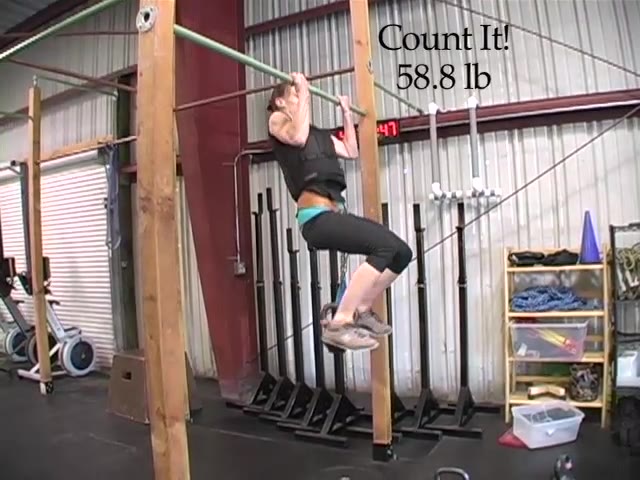
In 2014 he put it this way: "Coming in and teaching a pull-up is different than coming in and being a part of something."26
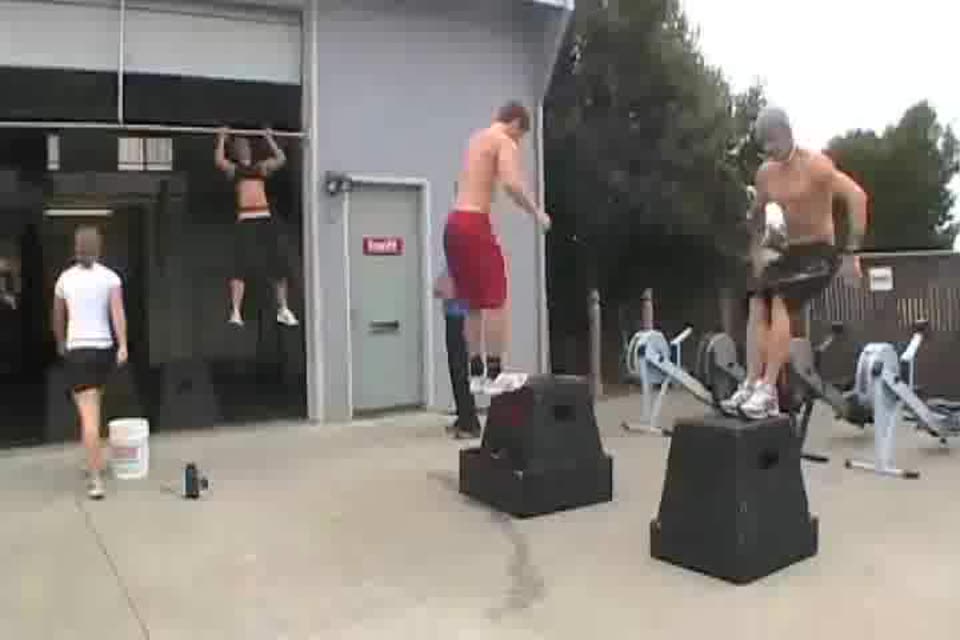
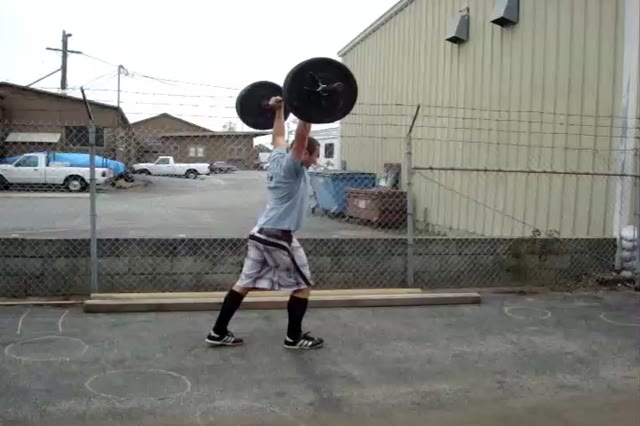
CrossFit Santa Cruz kept appearing beside the daily workout on CrossFit.com.293031 Molloy says he filmed the demos made at the gym, putting its athletes in front of CrossFit's wider audience. The earliest date to 2006, two years before he owned the gym; CrossFit's caption on one of them lists him among the six athletes.9 See the demos
CrossFit has also published his debrief with a class after a workout.14
The next question
CrossFit defines fitness through physical performance.23 For most of his career Molloy has worked inside that definition, and he still does.
His reason for building something new is a premise of his own: a person can perform well while markers such as blood sugar, blood pressure or bone density move in the wrong direction, and a workout will not show it.
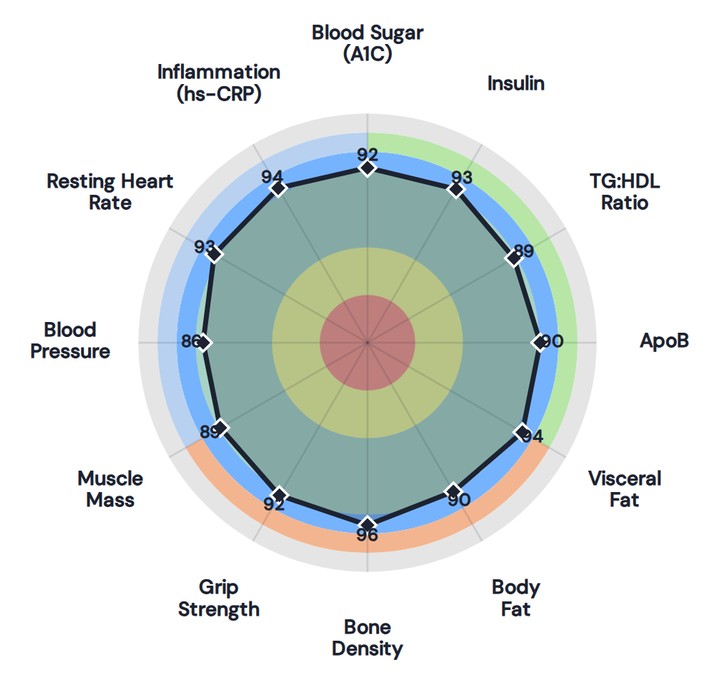
Metabolic Radar is his attempt to look at what performance leaves out. As he describes it, it reads 12 markers from bloodwork, body composition, and vital signs and arranges them around three capacities: regulating energy, recovering from stress, and preserving functionality. It is a coach-facing framework, not a diagnosis, and he is still testing it in the field. He is on staff at MetFix Academy19 and teaches the same ideas in Metabolic Mastery, a 14-week course. His recent writing